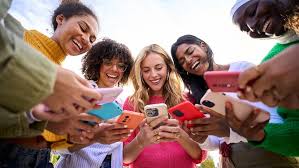
Every generation creates its own cultural identity,music, fashion, values, and, of course, slang. But with Gen Z, slang feels like a bigger divider than usual. Words like “rizz,” “delulu,” “no cap,” “slay,” “ate,” or “it’s giving” have become so common online that they seem to belong exclusively to Gen Z. When older generations use them, Gen Z sometimes reacts as though their cultural space has been invaded — which leads to the perception that they’re “entitled” to certain slang.
Here’s what’s really happening:
1. Slang is a form of identity for Gen Z
For Gen Z, slang is not just vocabulary — it’s a marker of belonging. In a world shaped by memes, TikTok, and fast-changing online culture, language acts like a badge that says: “I’m part of this moment. I get it.” When older generations use Gen Z slang, it can feel like the identity marker is being diluted. Gen Z sees their slang as a way to stand out, to connect, and to keep their culture authentic. To them, sharing Gen Z slang is a form of self-expression that defines their community.
2. The internet accelerates generational change For Gen Z
In the past, slang evolved slowly through music, pop culture, and local communities. Today, a TikTok trend can create new slang overnight—and disappear just as fast. This speed makes Gen Z’s slang boundaries sharper. Each generation becomes more aware of “their” era of language, and Gen Z guards their words fiercely because they know how quickly these expressions can be co-opted or lost. The rapid evolution of online platforms means Gen Z slang is not just words; it’s a cultural timestamp.
3. Gen Z Humor and irony drive modern slang
Gen Z slang is deeply tied to irony, exaggeration, and online humor. Words often don’t mean what they seem—for example:
- “She ate” doesn’t involve food; it’s a way of saying someone performed well or looked good.
- “Be so for real” isn’t always serious; it’s a playful way to express disbelief or emphasis.
- “Delulu” is playful, not insulting; it describes someone being overly delusional or out of touch.
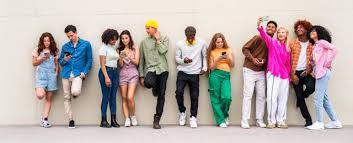
Older generations using these phrases without the same comedic or ironic context can feel slightly off—something Gen Z quickly notices. Their slang is embedded in humor and shared cultural cues, making it feel exclusive and protected.
4. Older generations feel excluded by Gen Z — and respond
Millennials, Gen X, and even Boomers sometimes feel that Gen Z is gatekeeping language. From Gen Z’s view, they’re protecting cultural expression—keeping their slang authentic and meaningful. From others’ perspective, it can seem like linguistic elitism or a form of cultural gatekeeping. Both views are valid, highlighting the clear generational gap around language and cultural ownership.
5. Gen Z Slang reflects deeper cultural shifts
Beneath the jokes about “using slang wrong,” are real differences in attitudes and worldviews:
- Approaches to work and success
- Sensitivity to identity and inclusivity
- Communication styles, whether online or offline
- How each generation navigates social media and real-world interactions
Gen Z’s slang symbolizes these larger shifts—they’re not just words but signposts of how they see and engage with the world.
In the end… no one truly owns slang even Gen Z
Slang is always evolving. Every generation borrows, reinvents, or rejects what came before. Today’s Gen Z slang will eventually become nostalgia—just like “cool,” “groovy,” “rad,” “lit,” or “YOLO.” Language is a living thing, continuously shaped by those who speak it.
Also Read
https://filters.co.uk/news/millennials-and-gen-z-who-are-they-and-what-do-they-mean-for-your-manufacturing-business/
https://www.thevifeffect.com/2025/11/19/social-beliefs/
Gen Z’s fierce protection of their slang isn’t just about words; it’s about preserving their culture, their identity, and their voice in a rapidly changing world. And as they continue to innovate, they leave a mark on language that will influence future generations, proving that every generation helps shape the ever-evolving landscape of slang.





One Comment