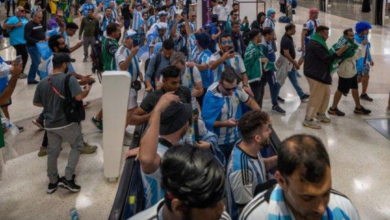
World Cup 2026 at a Crossroads: How Travel Bans and Fan Concerns Put the Biggest Tournament Ever in the Spotlight


The World Cup 2026 is shaping up to be the most ambitious and potentially most celebrated tournament football has ever seen. Spread across the United States, Canada, and Mexico, the event promises record-breaking attendance, global visibility, and a festival of football unlike anything before it. With millions of fans expected to travel, the World Cup 2026 is not just a sporting event but a cultural moment. Yet, as excitement builds, recent developments have shown how sensitive global events can be to political climate, travel policies, and fan confidence.
World Cup 2026 and the Promise of a Global Celebration
At its core, the World Cup 2026 represents unity. Football’s greatest strength has always been its ability to bring people together across borders, languages, and cultures. Hosting matches across three nations reflects that spirit on an unprecedented scale. The United States, as a central host, brings world-class stadiums, proven infrastructure, and experience hosting major international events. This World Cup 2026 has the potential to surpass all previous tournaments in attendance and global reach, setting a new benchmark for the sport and leaving a lasting legacy.

However, the success of the World Cup 2026 depends not only on venues and logistics, but on people. Fans are the heartbeat of the tournament. Their songs, colors, and journeys turn matches into history. Ensuring that supporters feel welcome, safe, and able to travel freely is essential to delivering the atmosphere expected of the biggest World Cup of all time.
World Cup 2026 Travel Bans, Ticket Cancellations, and Fan Confidence
Recent reports that nearly 17,000 fans withdrew from World Cup ticket commitments overnight have brought renewed attention to the World Cup 2026 and the importance of fan confidence. While ticket policies are complex and many of these withdrawals are linked to early sales phases rather than stadium entry itself, the message is clear: uncertainty affects enthusiasm. In response, FIFA scheduling an emergency meeting highlights how seriously these signals are being taken.

Much of the concern centers on travel restrictions and the broader political environment. For international supporters planning long journeys years in advance, clarity matters. The World Cup 2026 thrives on certainty, and even small doubts can lead fans to pause, reconsider, or delay their plans. Addressing these concerns early allows organizers to refocus attention where it belongs—on football, celebration, and global togetherness.
Also Read
Will Controversy Cost Cristiano Ronaldo His 2026 World Cup Dream?
Beckham Family Rift: When Fame, Family, and Fortune Collide
CR7 Logo: Nike’s Bold Bet on a Legacy That Could Eclipse Jordan
World Cup 2026 and Leadership Under the Global Microscope
Mega-events inevitably place political leadership under global scrutiny, and the World Cup 2026 is no exception. With the world watching, policies that affect travel and access take on added significance. This moment presents an opportunity to demonstrate balance: maintaining national security while embracing the openness that defines the World Cup.
There is growing discussion that the scale and importance of the World Cup 2026 could encourage a temporary reassessment of certain travel bans during the tournament window. Such a move would not undermine national pride or authority. Instead, it would reflect confidence, hospitality, and an understanding of football’s unique role in global diplomacy. Allowing the widest possible participation would help ensure the tournament reaches its full potential.

Not every challenge surrounding the World Cup 2026 needs to be framed as conflict. Many fans simply want reassurance that they can attend matches safely and respectfully. The United States has repeatedly shown its ability to host the world, and this tournament offers another chance to do so with distinction.
Looking ahead, the legacy of the World Cup 2026 will be shaped not just by goals, trophies, or attendance records, but by how welcome the world feels. If concerns are addressed thoughtfully, the tournament can move beyond headlines about cancellations and emergency meetings, and instead be remembered as a celebration that lived up to its promise. In doing so, the World Cup 2026 can truly become the greatest show football has ever staged.