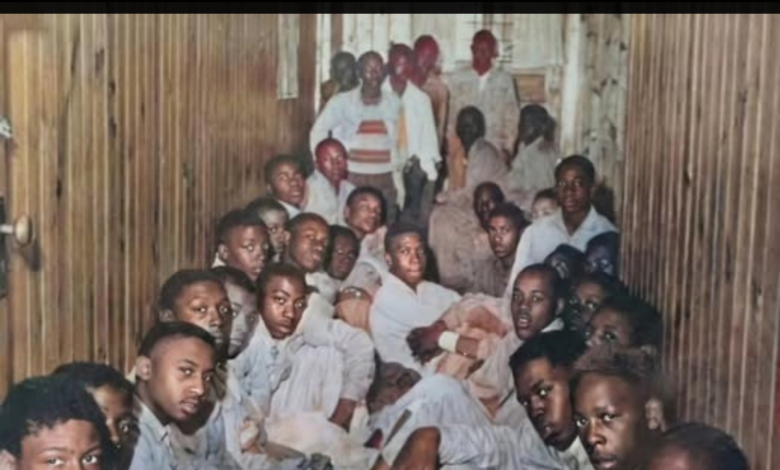
Before dawn, silence pressed down like a lid, and the boys settled onto narrow cots believing morning would arrive. The Wrightsville Fire began in that hush, inside a place that called itself a school while practicing confinement. Night rules were simple: doors locked from the outside, windows barred, obedience enforced by metal and fear. The boys were young, mostly poor, mostly unwanted, and taught that survival depended on staying still. When smoke crept along the ceiling, confusion turned to terror. Shouts met iron. Fists met wood. Breath thinned. Outside, rain-dark ground waited, unreachable. Inside, time collapsed. What should have been shelter became a trap, and childhood became a sentence carried out without witnesses, sirens, or mercy, long before sunrise remembered them. That night sealed lives into ashless memory forever there.
The Wrightsville Fire and Locked Childhoods
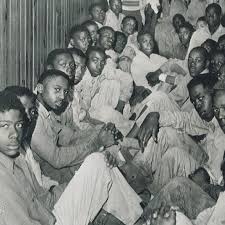
At the heart of the Wrightsville Fire was policy disguised as discipline. Officials padlocked dormitory doors nightly to prevent escape, not to protect sleeping children. Overcrowding was routine; bodies lay a foot apart, heat trapped, air stale. Bathrooms were buckets, privacy nonexistent, dignity rationed. Many boys were sent there for truancy, hunger, or being homeless, offenses born of poverty and segregation. When flames spread through old timber, there were no alarms, no drills, no keys within reach. Guards arrived to smoke and screaming, powerless before their own rules. Forty-eight boys fled through broken barriers; twenty-one remained, locked inside a lesson carved by cruelty. The Wrightsville Fire turned containment into irreversible loss for everyone involved.
The Wrightsville Fire and a System Exposed
Investigations after the Wrightsville Fire offered sorrow without accountability. Statements promised change, yet no one faced charges for locking children into a flammable building overnight. The story flickered briefly, then dimmed. What endured was understanding among Black families that institutions under segregation valued order over life. The school’s name suggested reform, but its function was containment, surveillance, and labor. Safety budgets were thin because compassion was thinner. In the quiet aftermath, survivors carried smoke in their lungs and guilt in their steps, while families buried sons without answers. The Wrightsville Fire revealed a machinery designed to punish childhood, then move on unchanged. Silence followed, heavy as smoke, settling over the town and memories.
Also Read
“The Teenage Heroine: Lepa Radić’s Unbreakable Courage in the Face of Evil”
The Power of Social Beliefs: How Cultural Movements Shape Communities Worldwide
Slang Wars: Why Gen Z Guards Their Lingo Like Treasure
The Wrightsville Fire and the Pipeline
Decades later, the Wrightsville Fire echoes across the same land. Where the school stood now rises a correctional unit, proof that cages can change names without changing purpose. The pipeline aged; boys became men behind newer fences. For years, there was no marker, only grass and forgetting. Absence itself felt intentional, as if memory threatened order. When recognition finally arrived, it came quietly, after generations had learned to lower expectations. The Wrightsville Fire thus stretches forward, connecting past neglect to present confinement, reminding us how easily society normalizes locked doors when those inside are deemed expendable. History repeats when accountability fails and empathy is postponed indefinitely. The Wrightsville Fire warns us still today everywhere.
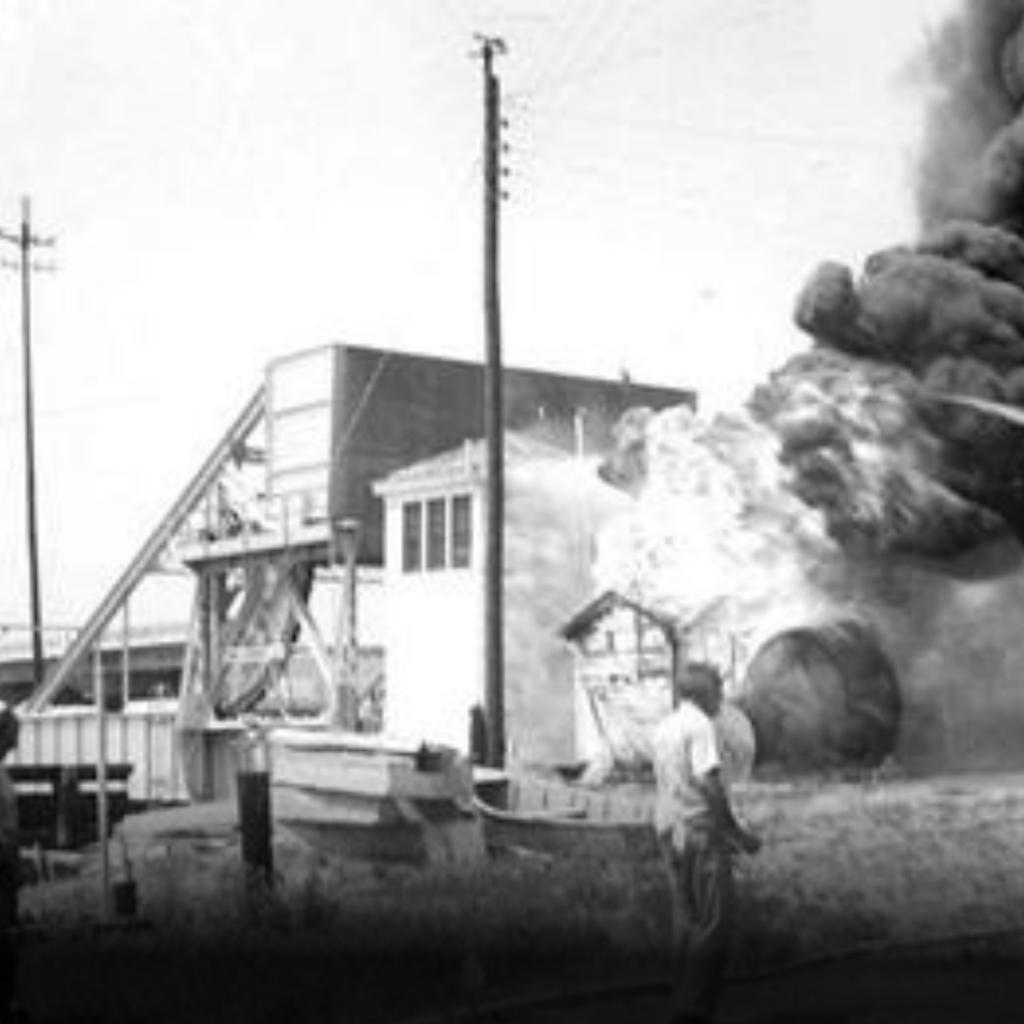
Remembering demands more than tears. The Wrightsville Fire asks readers to feel the claustrophobia of rules without mercy, the panic of exits denied, the grief of families silenced. These boys were not symbols; they were children with jokes unfinished and mornings expected. Their names matter because forgetting completed the harm. To remember is to refuse systems that trade safety for control and call it care. When doors are locked from the outside, responsibility lives outside too. The Wrightsville Fire endures as a moral test, urging vigilance, humanity, and action so no child ever sleeps trapped again. Let memory open doors that fear once sealed shut for generations. This promise honors the Wrightsville Fire victims. Always, everywhere, without delay. Please remember.