
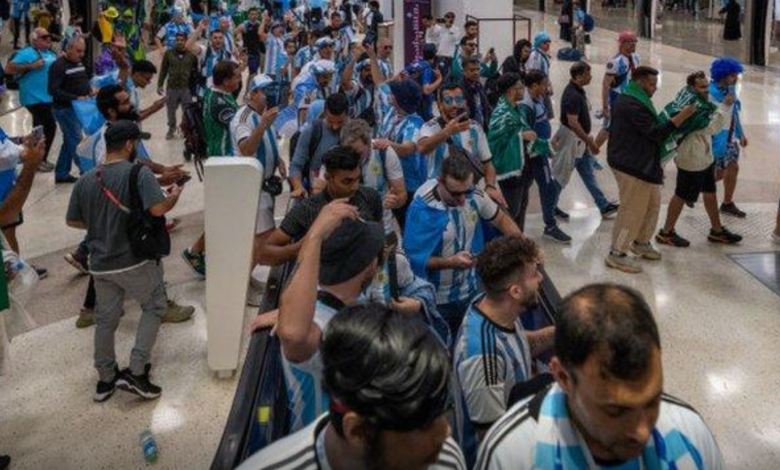
Planning a once-in-a-lifetime trip to the FIFA World Cup is exciting, but World Cup 2026 Travel to the United States comes with unique challenges that fans must understand early. Unlike other host nations, the USA has strict entry rules that apply even to major global events. A World Cup ticket does not guarantee entry, and immigration laws will be enforced as usual. For many supporters, preparation will matter as much as match schedules. Understanding visas, timelines, affected countries, and realistic alternatives can make the difference between celebrating in the stadium or watching from home.
World Cup 2026 Travel and U.S. Visa Reality
The biggest factor shaping World Cup 2026 Travel is the U.S. visa system, particularly ESTA and the B-1/B-2 visitor visa. ESTA, or the Electronic System for Travel Authorization, is available only to citizens of Visa Waiver Program countries and allows short visits for tourism without applying for a traditional visa, but approval is not automatic and can still be denied. Most travelers, however, must apply for a B-1/B-2 visa, which covers tourism and short business visits. This process requires an embassy interview, fees, documentation, and proof that the visitor intends to return home. Processing times vary widely, with some embassies facing months-long backlogs, making early planning essential.
Also Read
World Cup 2026 at a Crossroads: How Travel Bans and Fan Concerns Put the Biggest Tournament Ever in the Spotlight
Cristiano Ronaldo Takes Hollywood by Storm: Fast & Furious’ Biggest Blockbuster Yet
Will Controversy Cost Cristiano Ronaldo His 2026 World Cup Dream?
World Cup 2026 Travel and Countries Most Affected
Not all fans face the same barriers when it comes to World Cup 2026 Travel. Citizens from countries facing U.S. travel bans or severe visa restrictions are the most affected. These include Afghanistan, Iran, Somalia, Sudan, Yemen, Libya, Syria, and North Korea. Travelers from these countries often encounter outright visa ineligibility or extreme scrutiny that makes approval unlikely. Beyond formal bans, many other nations experience long wait times and higher refusal rates, meaning fans may miss matches despite having tickets. The reality is that passport strength plays a major role in who gets to attend the tournament in the United States.
World Cup 2026 Travel and How It Will Affect Tourism
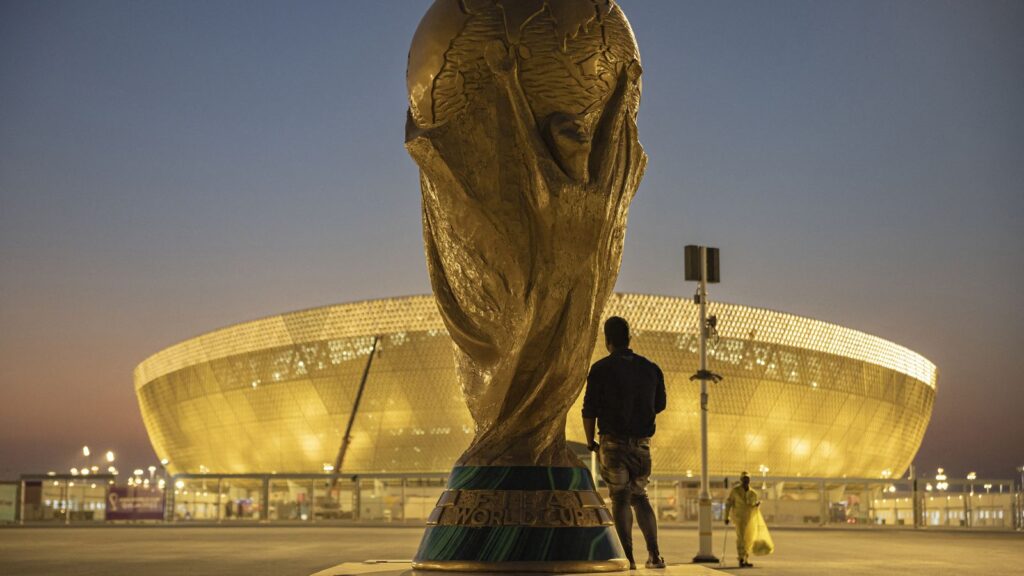
As the tournament approaches, World Cup 2026 Travel is expected to place heavy pressure on U.S. embassies, airports, and border systems. Visa delays may reduce attendance from certain regions, limiting the diversity of traveling supporters. Higher visa fees and additional screening requirements may also increase overall travel costs. Host cities in the U.S. could see fewer international fans compared to Canada and Mexico, where entry rules are often simpler. For those who do secure entry, accommodation shortages and rising prices are likely, making early booking a necessity rather than a luxury.
World Cup 2026 Travel and Legal Ways to Plan Smart
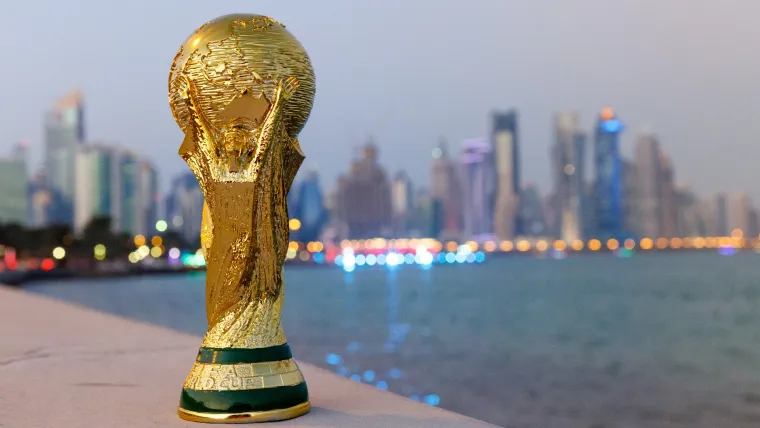
Despite the challenges, there are lawful ways to plan World Cup 2026 Travel more effectively. Applying for a visa as early as possible is critical, even before match tickets are secured. Travelers eligible for ESTA should apply early and confirm their status well in advance. Fans who may struggle with U.S. entry can plan to attend matches hosted in Canada or Mexico, where visa processes are generally faster and less restrictive. Some travelers may also use an alternative passport if they hold dual citizenship legally. Each host country has separate entry rules, and respecting them is essential for a smooth experience.

Ultimately, World Cup 2026 Travel is about preparation, realism, and flexibility. The United States will deliver world-class stadiums and unforgettable matches, but access depends on planning far ahead and understanding immigration realities. Fans who act early, stay informed, and remain flexible with host cities give themselves the best chance to be part of football history. The World Cup is a global celebration, but reaching it requires a strategy long before the first whistle blows.